Arriving at our apartment in Oslo was easy. We walked from the train station along clean, well-signposted roads with smart, sharp-lined buildings. We found the apartment quickly and used the self check-in to be granted two key cards. Finding the actual room was trickier, but once we realised it was a basement apartment, all was good.
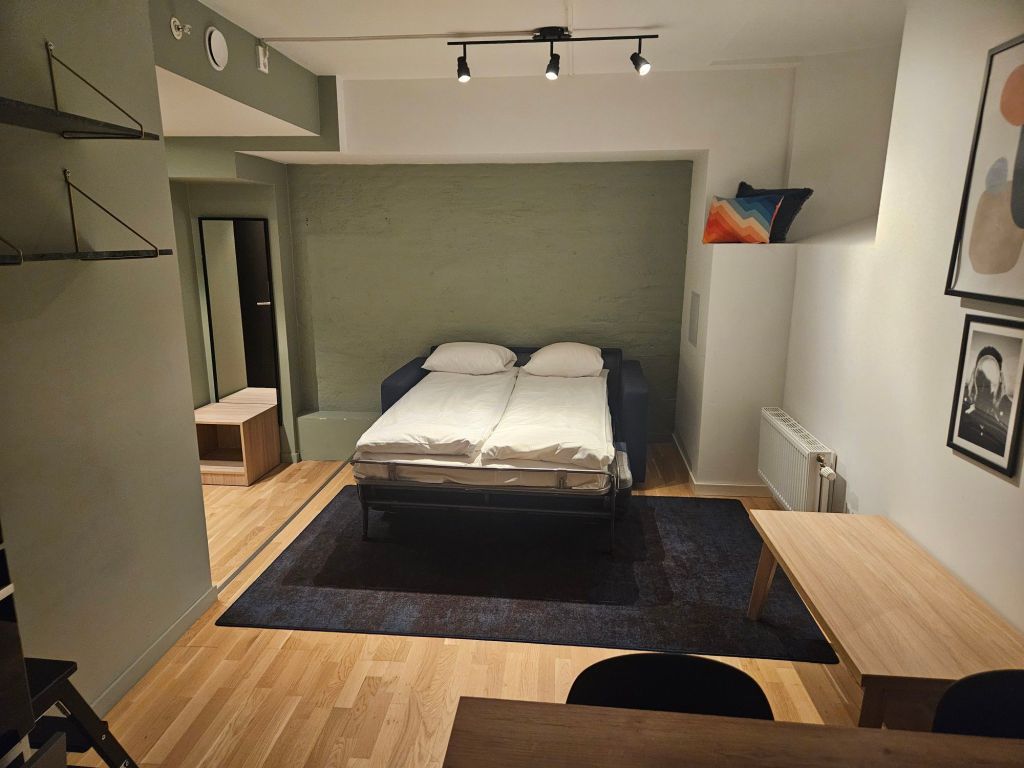
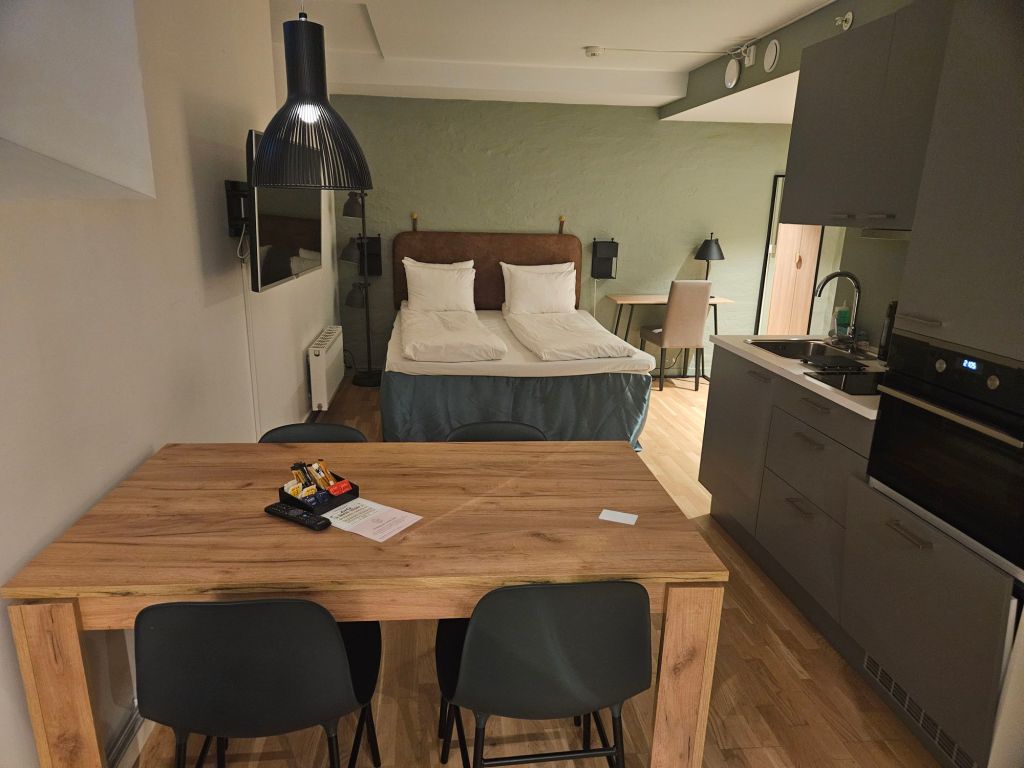
Again, we have a studio apartment, this time separated by a kitchen in the middle. It’s small but perfect for our two-night stop – a bonus being it comes with not one but two bathrooms. Even better, it has a tin opener!
We woke to a surprise – breakfast had been delivered outside our door. A croissant, a hummus and avocado sandwich, fruit and a drink. As we’d already eaten, it made the perfect packup to take out with us.
After our Segway experience, we thought it best to avoid them – for now anyway. The bruises have faded and David’s fingers are almost back to normal. We did think about a hop-on hop-off bus, something we’ve tried in other cities, but instead discovered the Oslo Pass. For a similar price, it gives access to museums and public transport, so we decided that was the better option.
We headed first to the Norsk Folkemuseum. Founded at the end of the 19th century, the Folkemuseum can best be described as Oslo’s version of Beamish or the Black Country Museum. One of the fascinating facts we discovered was that Oslo originally stood about 30 miles further east. After a fire raged through the city in 1624, the inhabitants packed up their belongings and moved to where Oslo currently sits. Very much both the positives and negatives of a wooden flat-pack house.
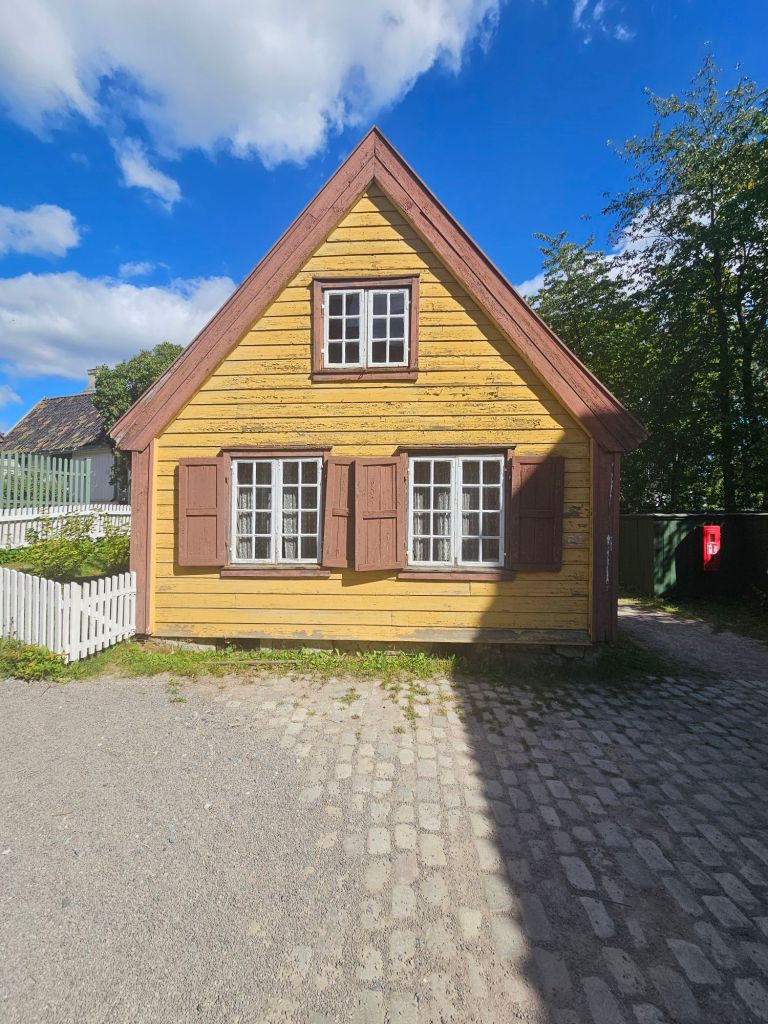
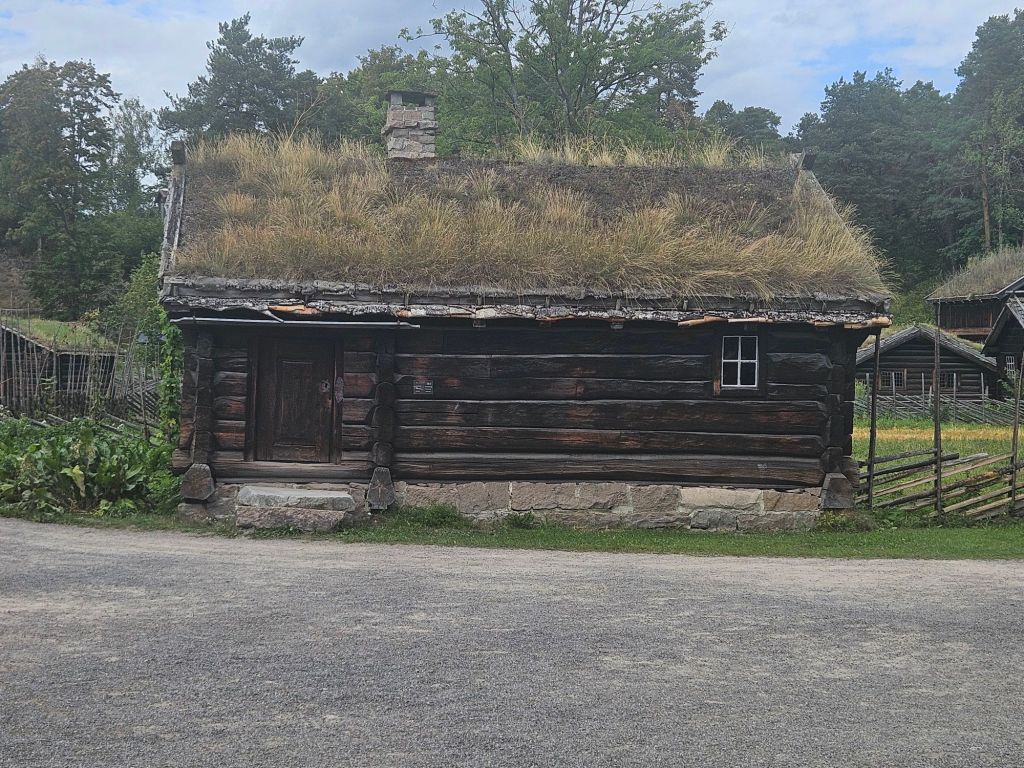
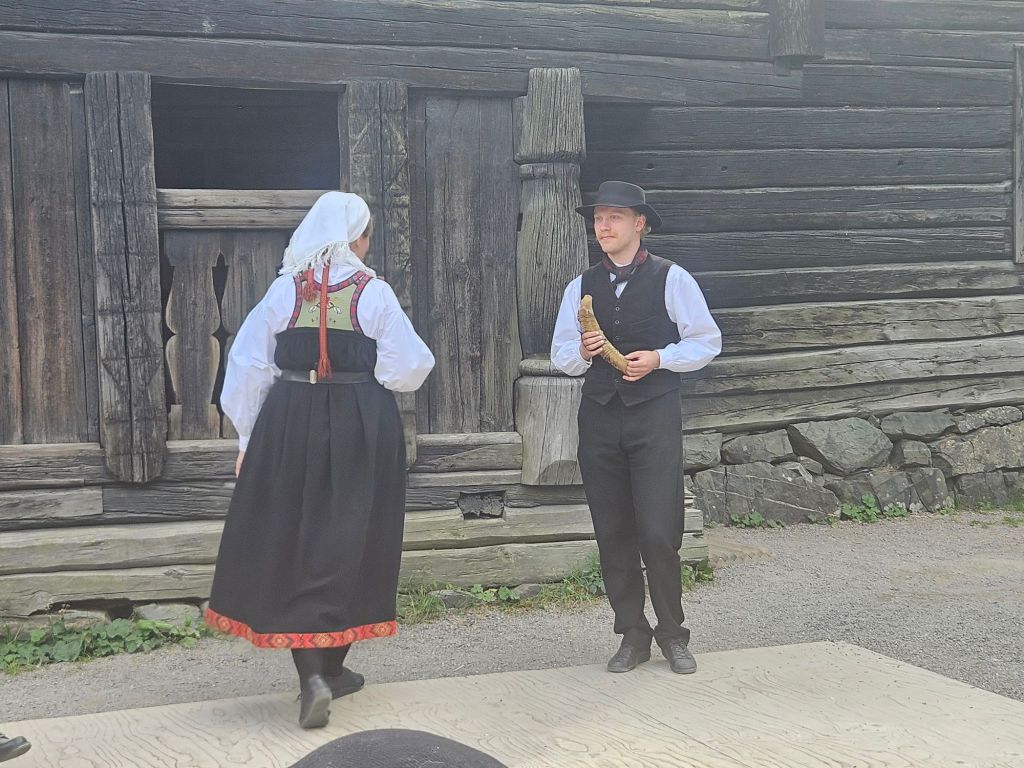
We spent quite some time at the museum, wandering through the old streets and wooden houses. A highlight was stopping to watch some traditional Norwegian dancing, complete with live music. It brought the place to life and gave us a real feel for the culture that these buildings are here to preserve.
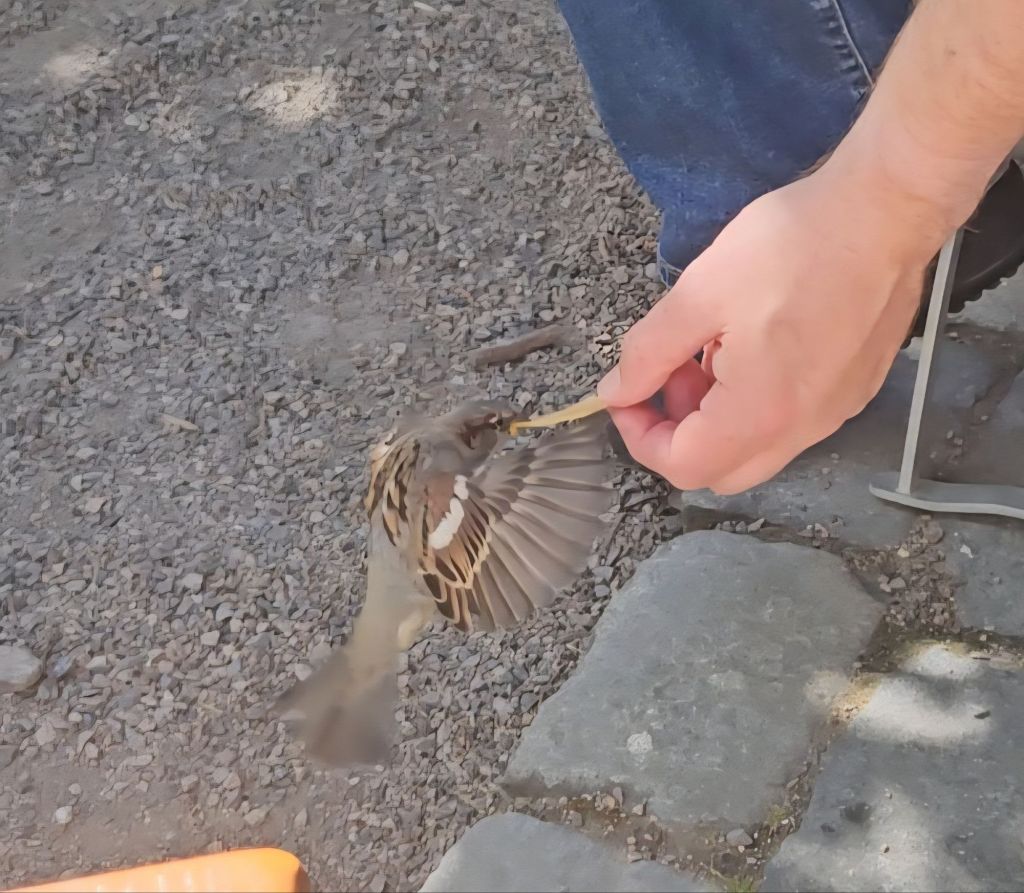
Another highlight came at lunchtime. A few little birds were hopping around us, but one in particular showed real interest in what we were eating. David held out some food and, to our surprise, the tiny creature boldly took it straight from his hand.
Eating out can be expensive in Norway, and I had read a recommendation for street food on offer in the city. We took a tram across to a place called Barcode, which can best be described as a sort of indoor market – but with only food stalls, each one serving flavours from around the world. The smells were tantalising, and the whole place had a modern vibe with a retro twist at the same time.
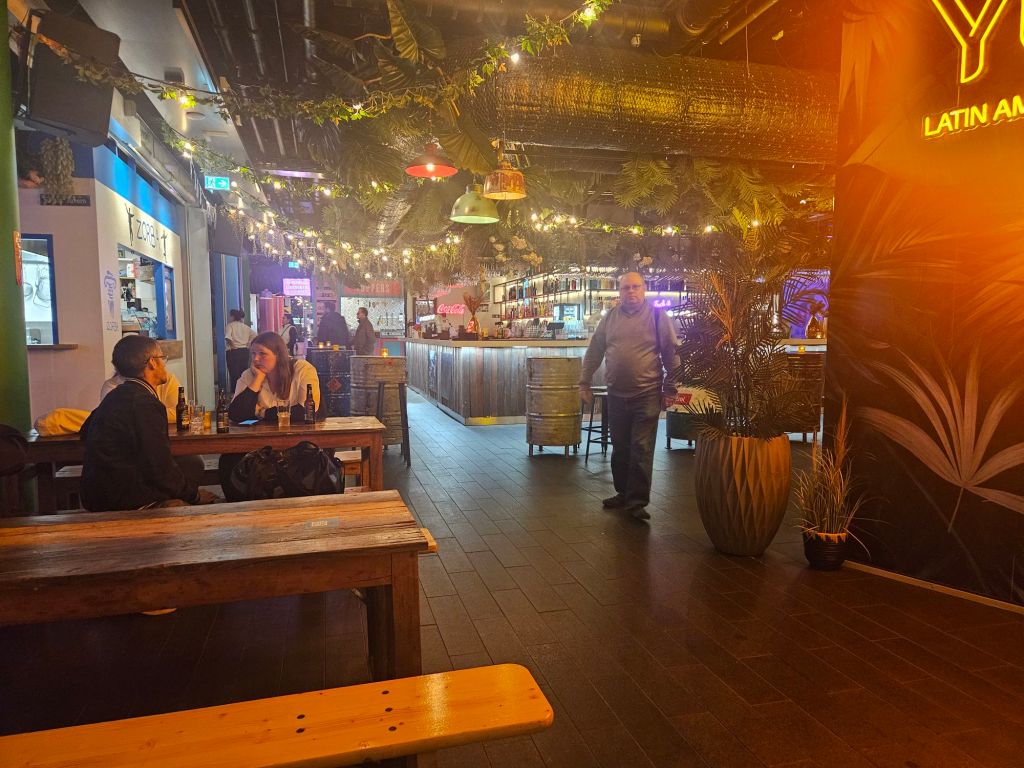
Needless to say, we each chose something different – Greek, Mexican, Hawaiian and Indian – and it really was a delight.
 Travelling Fletchers
Leave a comment